Kick-Starting Your Building Project Successfully: Mastering Building Project Planning
So, you’re ready to dive into a building project. Exciting, right? But hold on a second—before you start swinging hammers or signing contracts, let’s chat about how to set yourself up for success. Whether you’re dreaming of a cozy new home, expanding your business space, or upgrading an institutional facility, building project planning is your secret weapon. Trust me, a little prep goes a long way.
Let’s walk through the essentials together. I’ll share some practical tips, a few laughs, and maybe even a lightbulb moment or two. Ready? Let’s get started!
Why Building Project Planning Is Your Best Friend
Imagine trying to bake a cake without a recipe. You might get lucky, but chances are you’ll end up with a kitchen disaster. The same goes for building projects. Without solid planning, you risk delays, budget blowouts, and headaches that could have been avoided.
Building project planning is all about laying the groundwork. It’s where you:
Define your goals clearly
Set a realistic budget
Choose the right team
Schedule timelines that make sense
When you nail this part, the rest of the project flows smoother than your morning coffee. Plus, you’ll feel way more confident knowing you have a roadmap to follow.
Here’s a quick example: I once worked with a client who wanted to add a sunroom. We spent weeks planning every detail—from permits to materials—and the project finished on time and under budget. No surprises, no stress. That’s the power of planning!

The Nuts and Bolts of Building Project Planning
Alright, let’s get into the nitty-gritty. What does building project planning actually involve? Here’s a simple breakdown:
Define Your Vision
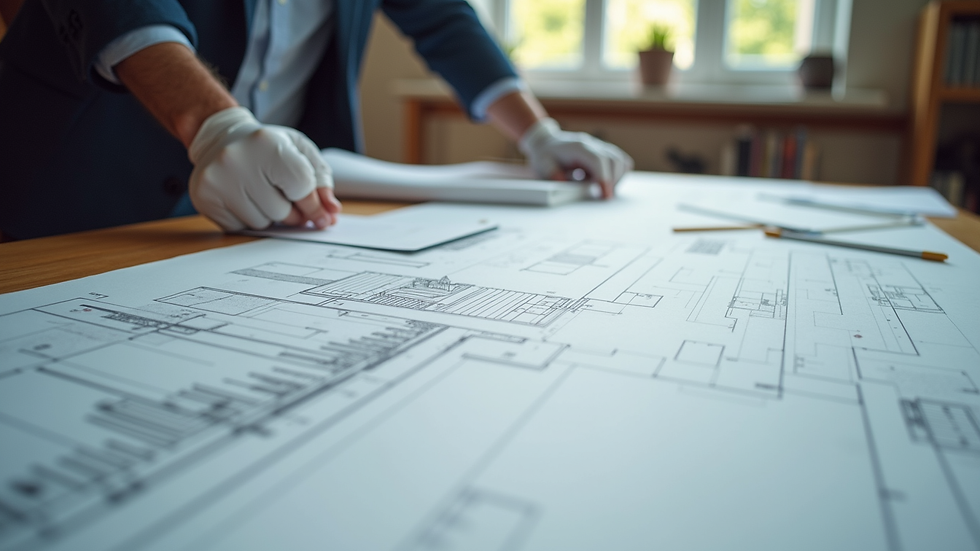
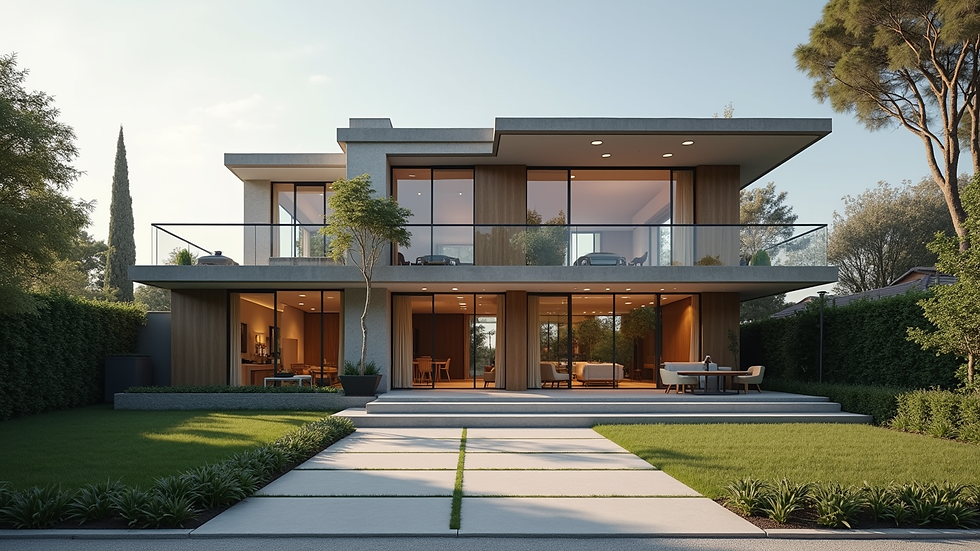
What do you want to build? A sleek office? A family-friendly home? Be specific. Sketch it out or gather inspiration photos. The clearer your vision, the easier it is to communicate with architects and contractors.
Set Your Budget
Money talks. Decide how much you’re willing to spend and add a buffer for unexpected costs (because, trust me, there will be some). This helps keep everyone honest and focused.
Hire the Right Team
Architects, engineers, contractors—choose people who get your vision and have a solid track record. Don’t be shy about asking for references or portfolios.
Permits and Regulations
This is where things can get tricky. Local building codes and permits are non-negotiable. Make sure your team knows the rules, especially if you’re on the Main Line, where regulations can be specific.
Create a Timeline
Set milestones and deadlines. It’s tempting to rush, but realistic timelines prevent burnout and mistakes.
Communication Plan
Decide how often you’ll check in with your team. Weekly meetings? Email updates? Staying in the loop keeps surprises at bay.
By following these steps, you’re not just planning—you’re building a foundation for success.
What are the three main things to know before starting a project?
Before you break ground, there are three biggies you absolutely need to keep front and center:
1. Understand Your Site and Location
Every plot of land has its quirks. Soil quality, slope, drainage, and even neighborhood aesthetics can impact your project. For example, if you’re building on the Main Line, you might encounter historical preservation rules or specific zoning laws. Knowing this upfront saves you from costly redesigns later.
2. Know Your Budget Limits and Priorities
Money isn’t just about how much you have—it’s about how you spend it. Prioritize what matters most. Is it energy efficiency? Extra square footage? High-end finishes? Pinpointing your must-haves versus nice-to-haves helps keep your budget in check.
3. Be Clear About Your Timeline
Are you aiming for a quick turnaround or a more relaxed pace? Maybe you want to move in before the holidays or open your business by next summer. Your timeline affects everything from contractor availability to material delivery.
Keep these three in mind, and you’ll dodge a lot of common pitfalls.

How to Start a Building Project Without Losing Your Mind
Now, here’s the million-dollar question: how do you actually get the ball rolling? If you’re wondering how to start a building project, here’s a little insider tip—start with a conversation. Talk to an architect or a builder early on. They’ll help you shape your ideas into something practical and achievable.
Next, get your paperwork in order. This means:
Site surveys
Zoning checks
Initial sketches or concept plans
Don’t rush this part. It’s tempting to jump straight into construction, but trust me, patience here pays off.
Also, keep your expectations flexible. Building projects often come with surprises. Maybe a material is backordered or a permit takes longer than expected. When you’re mentally prepared for bumps, you’ll handle them like a pro.
And hey, don’t forget to enjoy the process! Building something from scratch is a rare adventure. Celebrate the small wins—like getting your first blueprint or seeing the foundation poured.
Keeping Your Project on Track: Tips and Tricks
Once your project is underway, how do you keep everything humming along? Here are some tried-and-true tips:
Regular Check-Ins: Schedule weekly or bi-weekly meetings with your team. This keeps everyone accountable and surfaces issues early.
Document Everything: Keep records of contracts, change orders, and communications. It’s your safety net if disputes arise.
Stay Flexible: Sometimes, you’ll need to pivot. Maybe a material isn’t available or a design tweak is necessary. Adapt without losing sight of your goals.
Budget Monitoring: Track expenses closely. Use apps or spreadsheets to compare actual costs against your budget.
Celebrate Milestones: Finished framing? Time for a little happy dance! Recognizing progress keeps morale high.
Remember, building projects are a marathon, not a sprint. Pace yourself and lean on your team—they’re there to help.
Your Building Project Journey Starts Here
Starting a building project can feel overwhelming, but with the right planning and mindset, it’s totally manageable. From defining your vision to managing timelines and budgets, every step is a chance to shape something amazing.
If you want a little extra guidance, check out this handy resource on how to start a building project that breaks down the process even further.
At the end of the day, building is about creating spaces that fit your life and dreams. So take a deep breath, roll up your sleeves, and get ready to build something great!
Happy building!

Comments