The Role of a Residential Architect: Unlocking the Power of Residential Architecture Services
Ever wondered what magic happens behind the scenes when a dream home takes shape? It’s not just about picking paint colors or fancy fixtures. Nope, there’s a whole world of creativity, technical know-how, and problem-solving that goes into crafting a space you’ll love coming back to every day. That’s where residential architecture services come in, and trust me, they’re way more exciting than you might think!
Why Residential Architecture Services Matter More Than You Think
Let’s start with the basics. Residential architecture services are the backbone of designing homes that aren’t just pretty but perfectly suited to your lifestyle. Think of it as the art and science of turning your vision into a livable, functional, and beautiful reality.
When you hire a residential architect, you’re not just getting someone who draws blueprints. You’re teaming up with a professional who understands everything from zoning laws to energy efficiency, from structural integrity to aesthetic appeal. They’re your guide through the maze of permits, materials, and design choices.
Here’s why these services are a game-changer:
Customization: Your home should reflect you. Architects tailor every detail to fit your needs.
Efficiency: Smart design means lower energy bills and less waste.
Value: A well-designed home holds its value and often appreciates more.
Problem-solving: Architects foresee issues before they become costly headaches.
So, if you’ve ever asked yourself what does a residential architect do, here’s a little secret: they’re the ultimate home whisperers, blending creativity with practicality to make your dream home a reality.
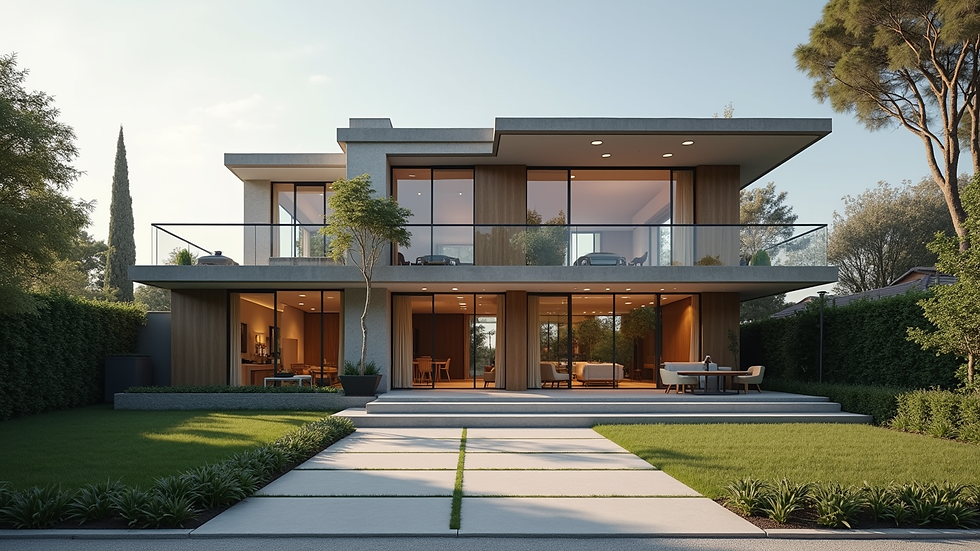
What Does Residential Architecture Services Include?
Now, let’s break down what you can expect when you engage residential architecture services. It’s not just about sketching pretty pictures; it’s a comprehensive process that covers every stage of your home’s journey.
1. Initial Consultation and Needs Assessment
This is where the fun begins! The architect sits down with you (virtually or in person) to understand your lifestyle, preferences, budget, and goals. They ask questions like:
How do you use your current space?
What’s your ideal home vibe? Cozy? Modern? Rustic?
Any must-haves or deal-breakers?
This phase sets the foundation for everything that follows.
2. Site Analysis and Feasibility Study
Before putting pen to paper, the architect evaluates your property. They consider:
Topography and soil conditions
Sunlight and wind patterns
Local building codes and zoning restrictions
This ensures your design fits perfectly with the environment and legal requirements.
3. Conceptual Design and Schematic Drawings
Here’s where creativity takes center stage. The architect drafts initial sketches and 3D models to visualize your future home. You get to see different layouts, styles, and materials. It’s a collaborative process, so your feedback shapes the design.
4. Design Development and Construction Documents
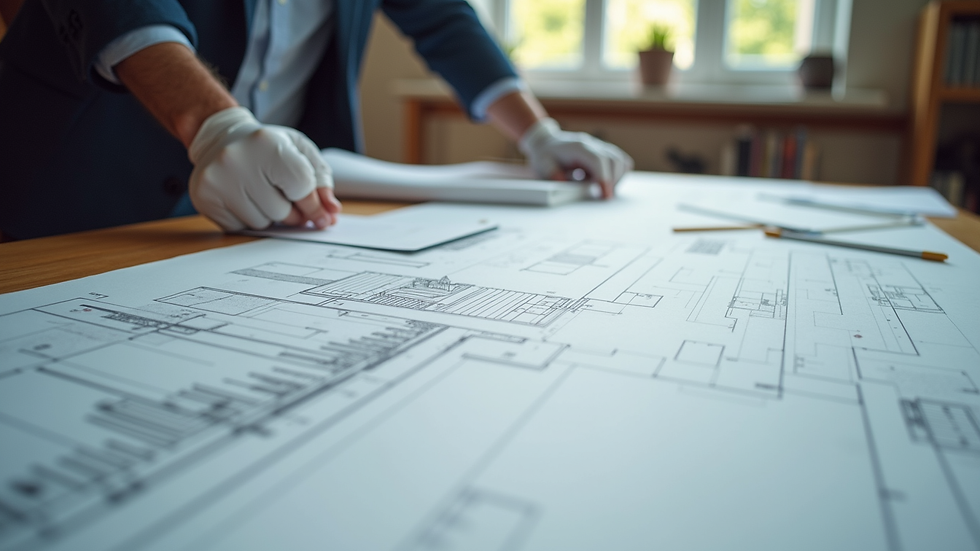
Once the concept is nailed down, the architect creates detailed plans, including floor plans, elevations, and technical specifications. These documents are essential for builders and contractors to bring the design to life.
5. Permitting and Approvals
Navigating the maze of permits can be a headache. Luckily, your architect handles this, ensuring all paperwork complies with local regulations.
6. Construction Administration
During construction, the architect acts as your advocate, visiting the site, answering questions, and making sure the project stays true to the design and quality standards.
7. Post-Construction Follow-Up
After the dust settles, the architect checks in to ensure everything meets expectations and addresses any final tweaks.

What is the 80 20 Rule in Architecture?
You might have heard about the 80 20 rule in business or productivity, but did you know it applies to architecture too? The 80 20 rule, also known as the Pareto Principle, suggests that 80% of the effects come from 20% of the causes. In residential architecture, this means:
80% of your home’s comfort and functionality comes from 20% of the design elements.
What does that look like in practice? It means focusing on the key spaces and features that impact your daily life the most—like the kitchen, living room, and master bedroom—can deliver the biggest bang for your buck. Instead of spreading your budget thin over every nook and cranny, smart architects prioritize these vital areas.
This rule helps architects and homeowners alike make smarter decisions about where to invest time, money, and energy. It’s about working smarter, not harder, to create a home that truly works for you.
How Residential Architects Balance Creativity and Practicality
Here’s where the magic really happens. Residential architects are like jugglers, balancing your dreams with reality. They have to be creative artists and pragmatic engineers at the same time.
Imagine wanting a stunning glass wall that floods your living room with light. Sounds amazing, right? But what about privacy, energy efficiency, or structural support? Your architect will find ways to make that dream work without turning your energy bills into a horror story or compromising your comfort.
They also think about:
Sustainability: Using eco-friendly materials and designs that reduce your carbon footprint.
Accessibility: Making sure your home is comfortable for everyone, regardless of age or ability.
Future-proofing: Designing spaces that can adapt as your family grows or your needs change.
This blend of art and science is what makes residential architecture services so valuable. It’s not just about building a house; it’s about creating a home that’s beautiful, functional, and built to last.
Tips for Working with a Residential Architect
Ready to dive in? Here are some insider tips to get the most out of your partnership with a residential architect:
Be Open and Honest: Share your likes, dislikes, and lifestyle quirks. The more your architect knows, the better they can design for you.
Set a Realistic Budget: Talk money early on to avoid surprises later.
Trust the Process: Good design takes time. Patience pays off.
Ask Questions: Don’t be shy! Understanding each step helps you feel confident.
Stay Involved: Your input is crucial throughout the project.
Think Long-Term: Consider how your needs might change in 5, 10, or 20 years.
By following these tips, you’ll turn what could be a stressful experience into an exciting journey toward your perfect home.
Why Local Expertise Matters on the Main Line
If you’re building or renovating on the Main Line, local knowledge is a huge plus. Architects familiar with the area understand the unique architectural styles, neighborhood character, and local regulations that can impact your project.
They also have established relationships with local contractors, suppliers, and permitting offices, which can speed up the process and reduce headaches. Plus, they know how to design homes that fit seamlessly into the community while standing out in all the right ways.
Choosing a residential architect with a strong presence on the Main Line means you get personalized service tailored to your location’s specific needs and opportunities.
Your Home, Your Story: The Architect’s Role in Bringing It to Life
At the end of the day, residential architecture services are about more than just buildings. They’re about creating spaces where memories are made, families grow, and life unfolds. Your architect is your partner in telling that story through design.
So next time you walk into a beautifully designed home, remember there’s a lot more going on than meets the eye. It’s a blend of vision, expertise, and a whole lot of heart.
Ready to explore what’s possible? Dive into the world of what does a residential architect do and see how your dream home can become a reality.
There you have it - a peek behind the curtain at the fascinating role of residential architects and the incredible value of residential architecture services. Whether you’re starting fresh or reimagining your current space, the right architect can make all the difference. Here’s to building homes that inspire, comfort, and delight for years to come!


Comments