What Residential Architecture Duties Actually Entail
Ever wondered what residential architects really do? I mean, sure, we all know they design houses, but there’s so much more beneath the surface. It’s not just about drawing pretty blueprints or picking out fancy tiles. Nope, residential architecture duties cover a whole spectrum of tasks that blend creativity, technical know-how, and a dash of psychology. Let’s dive in and unpack this fascinating world together!
Understanding Residential Architecture Duties: More Than Just Drawing Plans
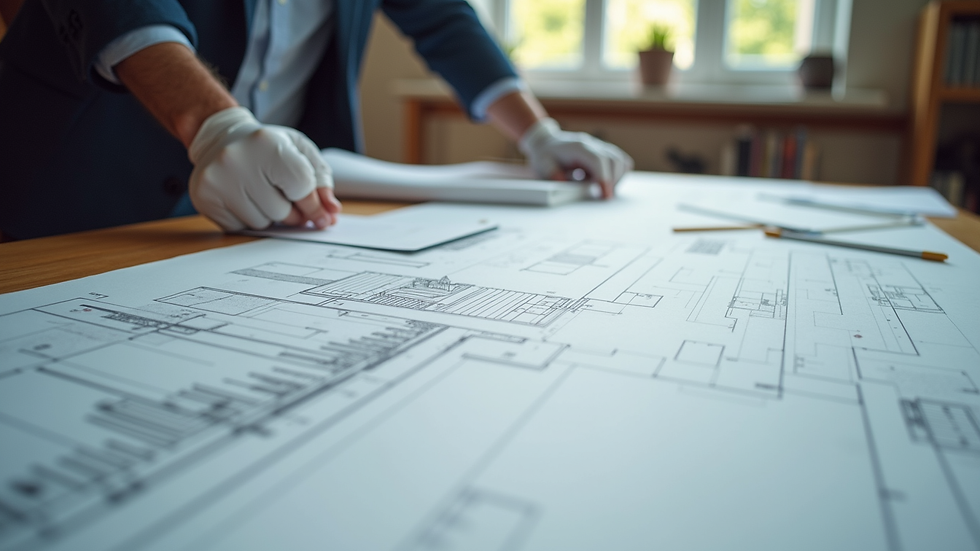
When you think of residential architecture duties, you might picture an architect hunched over a drafting table, sketching the perfect floor plan. But the reality is far richer and more dynamic. Residential architects are the masterminds behind the spaces where people live their lives - their homes. And that means they have to juggle a lot of hats.
From the get-go, architects listen. They listen to your dreams, your needs, your lifestyle quirks, and even your budget constraints. Then, they translate all that into a design that’s not only beautiful but functional and sustainable. They consider everything from sunlight angles to local building codes, from structural integrity to energy efficiency.
Here’s a quick peek at some core residential architecture duties:
Client Consultation: Understanding your vision and lifestyle.
Site Analysis: Evaluating the land, views, and environmental factors.
Conceptual Design: Creating initial sketches and 3D models.
Detailed Drawings: Producing construction documents and specifications.
Permitting: Navigating local regulations and securing approvals.
Construction Oversight: Ensuring the build matches the design.
Problem Solving: Adapting plans when unexpected issues arise.
It’s a full-service gig, really. And if you’re curious about what does a residential architect do, this is your go-to explanation.

Why Residential Architecture Duties Matter for Your Home
You might be thinking, “Okay, but why do I need an architect? Can’t I just hire a builder or pick a prefab design?” Great questions! Here’s the thing: residential architecture duties ensure your home is uniquely yours and built to last.
An architect’s job is to tailor every inch of your home to fit your lifestyle and the site’s unique characteristics. They optimize natural light, airflow, and views. They create spaces that flow naturally and feel comfortable. Plus, they help you avoid costly mistakes by ensuring everything complies with safety and zoning laws.
Imagine this: you want a cozy reading nook bathed in morning light. A residential architect will figure out the best spot for it, considering the sun’s path and window placement. Or maybe you want an open-plan kitchen that connects to the backyard. The architect will design structural elements that make this possible without compromising stability.
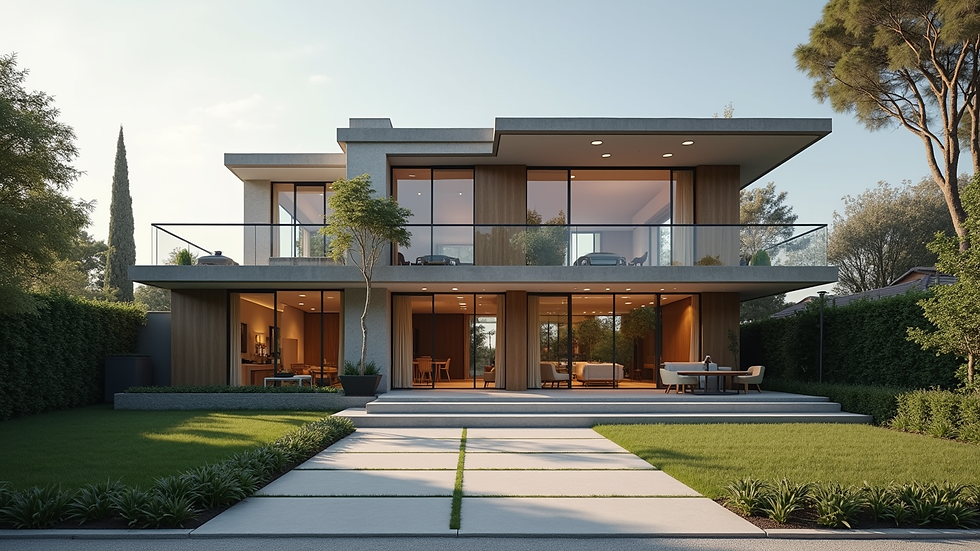
In short, residential architecture duties are about making your dream home functional, beautiful, and safe.
What is the 80 20 Rule in Architecture?
Now, let’s talk about a nifty concept that architects often use: the 80 20 rule. Ever heard of it? It’s a principle that says roughly 80% of the effects come from 20% of the causes. In architecture, this means that 80% of a building’s impact comes from 20% of its design elements.
How does this apply to residential architecture duties? Well, architects focus on the key features that will make the biggest difference in your home’s comfort and style. For example:
Windows and natural light: A few well-placed windows can transform a space.
Flow and layout: The way rooms connect affects daily living more than fancy finishes.
Materials: Choosing durable, sustainable materials impacts longevity and maintenance.
By prioritizing these critical elements, architects create homes that feel right without overcomplicating things. It’s about smart design, not just more design.
The Collaborative Dance: Architects, Clients, and Builders
One of the most fascinating parts of residential architecture duties is the collaboration. It’s like a dance where everyone has to be in sync. You, the client, bring your vision and needs. The architect translates that into a workable design. The builder then brings it to life.
But it’s not always smooth sailing. Sometimes, budget constraints force tough choices. Sometimes, site conditions throw curveballs. And sometimes, the architect spots a better way to do things halfway through construction.
That’s why communication is key. A good architect keeps you in the loop, explains options clearly, and helps you make informed decisions. They also coordinate with engineers, interior designers, and contractors to keep the project on track.
Here’s a quick tip if you’re working with an architect: Be honest about your priorities and budget from the start. It saves headaches later!

How Residential Architects Bring Your Vision to Life
So, how does the magic happen? Residential architecture duties involve a step-by-step process that turns your ideas into reality. Here’s a simplified breakdown:
Initial Meeting: Discuss your needs, style preferences, and budget.
Site Visit: Assess the land, surroundings, and any challenges.
Concept Design: Sketch rough ideas and layouts.
Design Development: Refine plans, select materials, and create 3D models.
Permitting: Submit plans to local authorities for approval.
Construction Documents: Prepare detailed drawings for builders.
Bidding and Contractor Selection: Help you choose the right builder.
Construction Administration: Visit the site, solve problems, and ensure quality.
Final Walkthrough: Make sure everything is as planned before you move in.
Each step requires attention to detail and a deep understanding of both aesthetics and engineering. And yes, it can take months or even years, depending on the project size.
But the payoff? A home that’s truly yours, designed to fit your life perfectly.
Why Hiring a Residential Architect is a Smart Investment
You might be wondering if hiring a residential architect is worth the cost. Spoiler alert: it usually is! Here’s why:
Value for Money: Architects help you avoid costly mistakes and maximize your budget.
Customization: Your home won’t look like every other cookie-cutter house on the block.
Sustainability: Architects design energy-efficient homes that save money long-term.
Resale Value: Thoughtful design boosts your home’s market appeal.
Stress Reduction: Architects manage the complex process, so you don’t have to.
Think of it this way: a residential architect is like a personal coach for your home-building journey. They guide you, keep you on track, and make sure the end result is something you’ll love for years.
Let’s Chat About Your Dream Home!
If you’re ready to turn your dream home into a reality, understanding residential architecture duties is the first step. It’s a journey filled with creativity, problem-solving, and collaboration. And trust me, it’s worth every moment.
Whether you’re building from scratch, renovating, or adding an extension, a residential architect brings expertise that transforms your ideas into a home that fits your life like a glove.
So, what are you waiting for? Let’s get those creative juices flowing and start designing a space that’s uniquely you!

Comments