Understanding M11Theory in Innovative Architectural Design Theory
When it comes to architectural design, have you ever wondered what makes a building not just functional but truly captivating? I mean, beyond the bricks and mortar, what invisible threads tie together aesthetics, purpose, and innovation? Well, that’s where theories like M11Theory come into play. Today, I’m diving into this fascinating concept and how it’s shaping the future of architecture, especially for those of us who care about homes, businesses, and institutions on the Main Line.
Let’s unpack this together, shall we?
What Is Innovative Architectural Design Theory All About?
Innovative architectural design theory isn’t just a fancy phrase architects throw around to sound smart. It’s the backbone of how we rethink spaces, materials, and even the way people interact with buildings. Think of it as the secret sauce that transforms a simple structure into a living, breathing environment.
Now, the M11Theory is one such approach that’s been gaining traction. It’s not just about aesthetics or function alone but a blend of both, with a sprinkle of sustainability and user experience. Imagine a design philosophy that encourages architects to think beyond the blueprint and consider how every element - from light to texture to flow - impacts the people who use the space.
This theory pushes us to innovate while respecting the environment and the community. It’s like having a conversation between the past, present, and future of architecture.

How M11Theory Changes the Game in Architectural Design
So, what makes M11Theory stand out? Glad you asked! This theory emphasizes a holistic approach. Instead of focusing on isolated parts of a building, it encourages looking at the entire ecosystem of design. Here’s what that means in practice:
Integration of natural elements: Think daylight, greenery, and natural ventilation.
User-centric spaces: Designing with the end-user’s comfort and needs in mind.
Sustainability: Using materials and methods that reduce environmental impact.
Flexibility: Spaces that adapt to changing needs over time.
Technological synergy: Incorporating smart tech without compromising aesthetics.
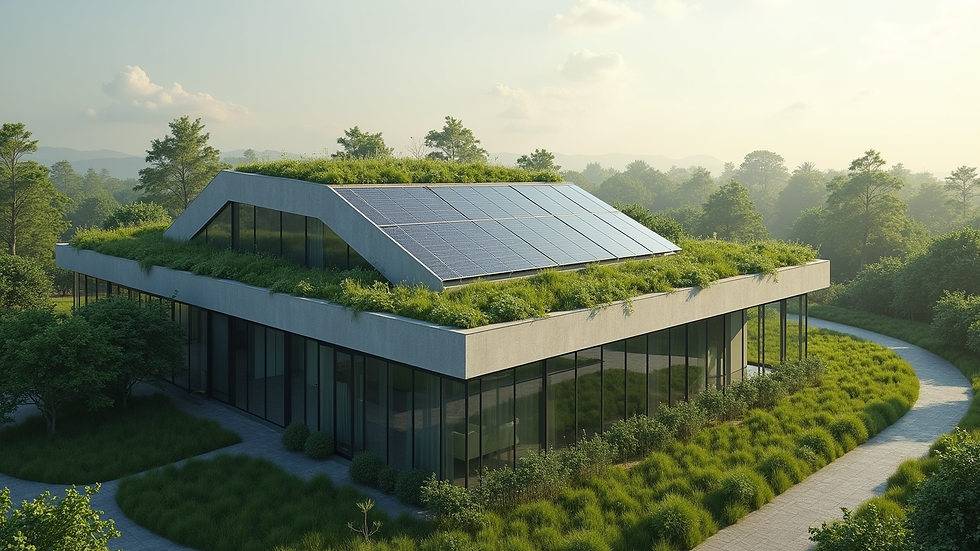
For example, a commercial building designed with M11Theory principles might feature open, airy workspaces flooded with natural light, green terraces for breaks, and smart climate control systems that adjust to occupancy. It’s not just a building; it’s an experience.
If you’re curious about how this theory can be applied in your next project, whether it’s a cozy home or a bustling office, it’s worth exploring the m11theory architectural design approach. It’s a game-changer.
What are the 7 Principles of Design in Architecture?
Before we get too deep into M11Theory, let’s take a quick detour to revisit the classic 7 principles of design in architecture. These timeless guidelines help architects create balanced, functional, and beautiful spaces:
Balance - Achieving visual stability, either symmetrical or asymmetrical.
Contrast - Using differences in color, texture, or form to create interest.
Emphasis - Highlighting a focal point or feature in the design.
Movement - Guiding the eye through the space naturally.
Proportion - Ensuring elements relate well in size and scale.
Rhythm - Creating a sense of organized movement through repetition.
Unity - Making sure all parts of the design feel cohesive.
M11Theory doesn’t discard these principles; it builds on them. It’s like jazzing up a classic tune with new rhythms and instruments. The principles remain the foundation, but the theory encourages us to remix and innovate.
Practical Tips for Applying M11Theory in Your Next Project
Alright, now that we’re all on the same page about what M11Theory is and why it matters, how can you actually use it? Whether you’re planning a new home, upgrading a business space, or designing an institutional building, here are some actionable tips:
Start with the site: Analyze natural light patterns, wind direction, and surrounding landscape. Let nature guide your design.
Think multi-functional: Can a room serve more than one purpose? Flexibility is key.
Choose sustainable materials: Bamboo, recycled steel, low-VOC paints - the options are growing every day.
Incorporate technology thoughtfully: Smart lighting, automated shading, and energy-efficient HVAC systems can enhance comfort and reduce costs.
Prioritize user experience: Walk through your design from the perspective of someone using the space. Is it intuitive? Comfortable? Inviting?
Collaborate with experts: Don’t hesitate to bring in landscape architects, engineers, and sustainability consultants early on.
Remember, the goal is to create spaces that feel alive and responsive, not just static boxes.
Why M11Theory Matters for the Main Line Community
Living and working on the Main Line means we have a unique blend of historic charm and modern needs. M11Theory offers a way to respect that heritage while pushing forward with innovation. It’s about creating buildings that fit seamlessly into the neighborhood fabric but also meet today’s demands for sustainability and adaptability.
For homeowners, this could mean a residence that feels timeless yet energy-efficient. For businesses, it’s about spaces that attract customers and foster productivity. And for institutions, it’s designing environments that support learning, healing, or community engagement.
By embracing this theory, architects like Kenneth Geoffrey Haskin, RA Architecture can continue delivering personalized, thoughtful designs that honor the past and embrace the future.
Let’s Keep the Conversation Going
So, what do you think? Does M11Theory sound like the kind of architectural design philosophy that could inspire your next project? I hope this deep dive has sparked some ideas and maybe even a little excitement about what’s possible when innovation meets thoughtful design.
If you’re ready to explore how this approach can transform your space, don’t hesitate to reach out to professionals who understand the nuances of the Main Line and can tailor solutions just for you.
After all, architecture isn’t just about buildings - it’s about creating places where life happens, memories are made, and communities thrive. And with theories like M11Theory guiding the way, the future looks pretty bright.
Thanks for sticking with me through this architectural adventure! Until next time, keep dreaming big and building smart.


Comments